Zygomatic implants are a specialized type of dental implant designed for patients with severe bone loss in the upper jaw.
Zygomatic implants are a specialized type of dental implant designed for patients with severe bone loss in the upper jaw. Unlike conventional implants, which are placed directly into the jawbone, zygomatic implants are anchored into the zygoma (cheekbone), a much stronger and denser bone structure.
At Etrusk Dental Clinic in Tirana, Albania, zygomatic implants provide a life-changing solution for international patients who have been told they do not have enough bone for traditional dental implants. This advanced treatment often eliminates the need for bone grafting and sinus lift procedures.
Comprehensive dental examination and CBCT 3D scan
Detailed digital planning to determine implant angles and positioning
Personalized treatment plan tailored to the patient's specific needs
Zygomatic implants are placed into the cheekbone under general anesthesia or sedation.
This technique provides exceptional stability, even in cases of advanced upper jaw bone loss.
The procedure is performed by experienced implant specialists using advanced surgical protocols.
In many cases, temporary fixed teeth can be provided shortly after surgery.
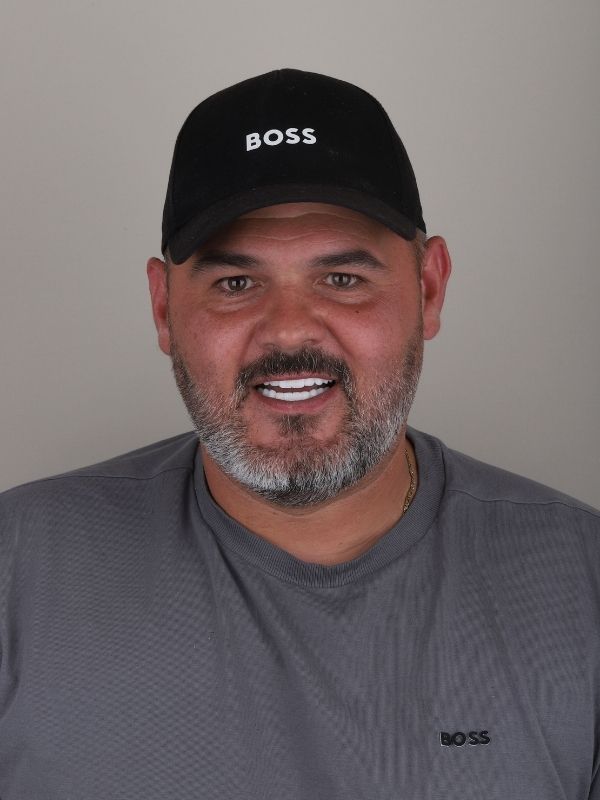
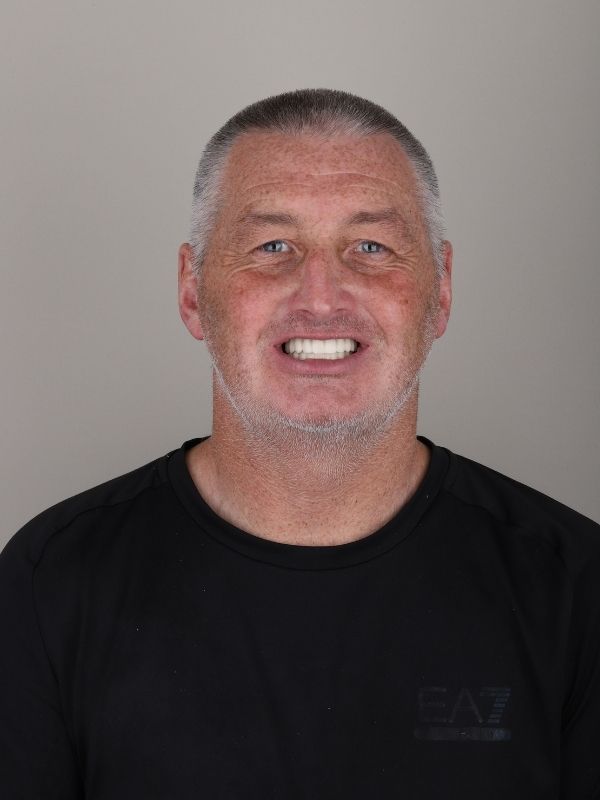
Patients can leave the clinic with a functional and aesthetic smile and can usually eat soft foods during the healing period.
After approximately 3–4 months of healing and osseointegration, a permanent zirconia or porcelain prosthesis is fitted.
The final result is a natural-looking, durable, and highly functional smile.
Eliminates the need for bone grafting or sinus lift surgery
Immediate function with temporary fixed teeth
High success rates in cases of severe bone loss
Restores both chewing function and smile aesthetics
Reduces overall treatment time compared with extensive bone reconstruction procedures
Provides a permanent solution for patients previously told that implants were impossible
Significantly improves quality of life and self-confidence
Highly experienced oral surgeons specialized in advanced implantology
State-of-the-art digital technology and internationally certified materials
Safe and internationally standardized surgical environment
Affordable treatment costs compared with the UK and many European countries
Personalized care designed specifically for international patients
Multilingual patient coordinators and comprehensive treatment support
Convenient location in Tirana, Albania, making dental travel comfortable and accessible
At Etrusk Dental Clinic, we combine advanced expertise with modern technology to deliver predictable and life-changing results for even the most complex implant cases.
Comprehensive examination and CBCT scan
Assessment of bone structure and facial anatomy
Customized treatment plan created
Zygomatic implants placed under anesthesia or sedation
Impressions taken for temporary teeth if applicable
Recovery and rest day for the patient
Optional follow-up examination
Dental laboratory prepares the temporary prosthesis
Temporary fixed teeth fitted
Bite and comfort adjustments completed
Detailed aftercare and medication instructions provided
The permanent zirconia or porcelain prosthesis is fitted after approximately 3–4 months of healing, ensuring maximum function, aesthetics, and long-term success.
At Etrusk Dental Clinic in Tirana, Albania, our mission is to restore smiles that were once considered impossible to treat, giving patients a second chance to enjoy a healthy, confident, and fully functional smile.
Procedures are performed under local anaesthesia, so you feel no pain during surgery. Mild discomfort or swelling afterwards is normal and easily managed with prescribed medication.
Yes. For complex surgery and anxious patients we offer sedation and general anaesthesia to ensure complete comfort. Our team will recommend the safest option based on your treatment and medical history.
A sinus lift adds bone in the upper jaw when there is insufficient height for implants. We perform both open and closed techniques, allowing implants to be placed securely where bone was once inadequate.
Initial healing of the soft tissue usually takes one to two weeks, while full bone healing continues over several months. Following our aftercare instructions helps you recover quickly and comfortably.
When the jawbone is too thin or has shrunk, bone grafting rebuilds the volume needed to support an implant. A protective membrane (guided tissue regeneration) shields the site and accelerates healing.
Apical resection removes a persistent infection at the root tip to save a tooth that did not heal after root canal treatment. A cyst operation removes jaw cysts, protecting the bone and preventing tooth displacement.
 Shqip
Shqip
 English
 Italiano
 Русский
 Deutsch
 Français
 Türkçe